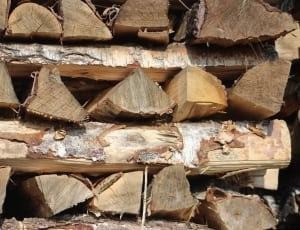
There’s a quiet shift happening in the way people think about their homes. Beyond aesthetics, homeowners are asking deeper questions—about materials, longevity, and how a space feels over time. Timber, once considered traditional or even rustic, has re-emerged as a central element in contemporary design, not just for its beauty but for its environmental and structural advantages. The conversation today is less about decoration and more about intentional building.
Modern timber design blends craftsmanship with performance. It offers a tactile warmth that synthetic materials struggle to replicate, while also meeting evolving standards for sustainability and durability. As architects and builders rethink how spaces are constructed, timber is no longer a nostalgic choice—it’s a forward-looking one.
Why Timber Is Gaining Ground Again
Timber’s resurgence isn’t accidental. It reflects a broader movement toward materials that are renewable, adaptable, and capable of aging gracefully. Unlike mass-produced alternatives, wood carries subtle variations that give each project a sense of individuality. These natural imperfections are often what make a space feel lived-in and authentic.
From an environmental standpoint, responsibly sourced timber has a significantly lower carbon footprint compared to steel or concrete. It stores carbon rather than emitting it, making it a practical option for reducing the environmental impact of construction. This advantage becomes especially meaningful as sustainability standards tighten across the building industry.
Balancing Aesthetics with Structural Performance
One of the most compelling aspects of timber is its ability to balance visual appeal with structural integrity. Engineered wood products have expanded what’s possible, allowing for larger spans and more complex designs without sacrificing strength. This means architects can explore bold, open layouts while still relying on a material that feels organic and grounded.
At the same time, timber responds differently to environmental conditions than other materials. It expands and contracts with humidity, which requires thoughtful planning during both design and installation. When handled correctly, however, this adaptability becomes an asset rather than a limitation.
Designing Spaces That Feel Human
There’s a reason people instinctively gravitate toward spaces that incorporate natural materials. Timber introduces warmth not just visually, but emotionally. It softens hard lines, absorbs sound, and creates an atmosphere that feels calm and inviting. In residential settings, this can transform a house into a space that genuinely supports daily life.
Designers often use timber to anchor a room—whether through exposed beams, custom cabinetry, or statement walls. These elements don’t need to dominate the space; even subtle applications can have a profound effect. The goal is to create balance, allowing the material to complement rather than overwhelm the overall design.
Customization and Craftsmanship
What sets high-quality timber work apart is the level of craftsmanship involved. Precision cuts, thoughtful joinery, and careful finishing all contribute to a final product that feels intentional. This is where specialized studios play a critical role. For example, working with experts like Tar River allows homeowners and designers to achieve a level of detail that mass-produced options simply can’t match.
Customization also means adapting the material to the specific needs of a space. Whether it’s selecting the right species of wood or determining the best finish, each decision influences both appearance and performance. Over time, these choices contribute to how the space evolves and ages.
Integrating Performance with Design
While aesthetics often drive initial decisions, long-term performance is what defines the success of a project. Timber must be properly integrated into the building envelope to ensure durability. This includes managing moisture, ensuring adequate ventilation, and selecting finishes that protect against wear.
Understanding how materials interact within a structure is essential. Resources like building performance and enclosure consulting provide valuable insights into how design decisions impact energy efficiency and structural longevity. These considerations help bridge the gap between visual design and technical performance.
The Role of Climate and Environment
Climate plays a significant role in how timber behaves over time. In humid regions, moisture control becomes especially important, while in drier climates, preventing excessive shrinkage is key. Designers must account for these factors early in the planning process to avoid issues later on.
This is where collaboration becomes crucial. Architects, builders, and material specialists need to work together to ensure that every element of the design aligns with environmental conditions. When done well, the result is a space that not only looks beautiful but also performs reliably year after year.
Blending Modern Trends with Timeless Materials
One of the most interesting aspects of timber design is its ability to adapt to changing trends without losing its relevance. Whether paired with minimalist interiors or more traditional styles, wood maintains its presence without feeling out of place. This flexibility makes it a valuable choice for projects that aim to remain relevant over time.
Even in unexpected contexts, timber finds a way to integrate seamlessly. For instance, creative design elements like decorative panels or organizational features can complement other aesthetic touches in a home. Pairing structured design with softer, personalized accents—such as those found in printable decorative solutions for home organization—can create a layered, cohesive environment that feels both practical and expressive.
Longevity as a Design Principle
Designing with timber encourages a long-term perspective. Unlike materials that quickly show wear or fall out of style, wood tends to improve with age. Its surface develops character, and minor imperfections often enhance rather than detract from its appeal.
This longevity aligns with a broader shift toward sustainable living. Instead of replacing materials every few years, homeowners are investing in elements that endure. Timber, when properly maintained, supports this approach by offering both resilience and aesthetic continuity.
Conclusion
Timber design has evolved far beyond its traditional roots. It now represents a thoughtful approach to building—one that values sustainability, craftsmanship, and the human experience of space. By combining modern techniques with time-tested materials, designers can create environments that are both functional and deeply inviting.
The appeal of timber lies not just in how it looks, but in how it performs and ages. It reflects a commitment to quality and a willingness to invest in materials that offer lasting value. As the industry continues to evolve, timber stands out as a material that bridges past and future, offering solutions that feel both grounded and forward-thinking.
:contentReference[oaicite:0]{index=0}