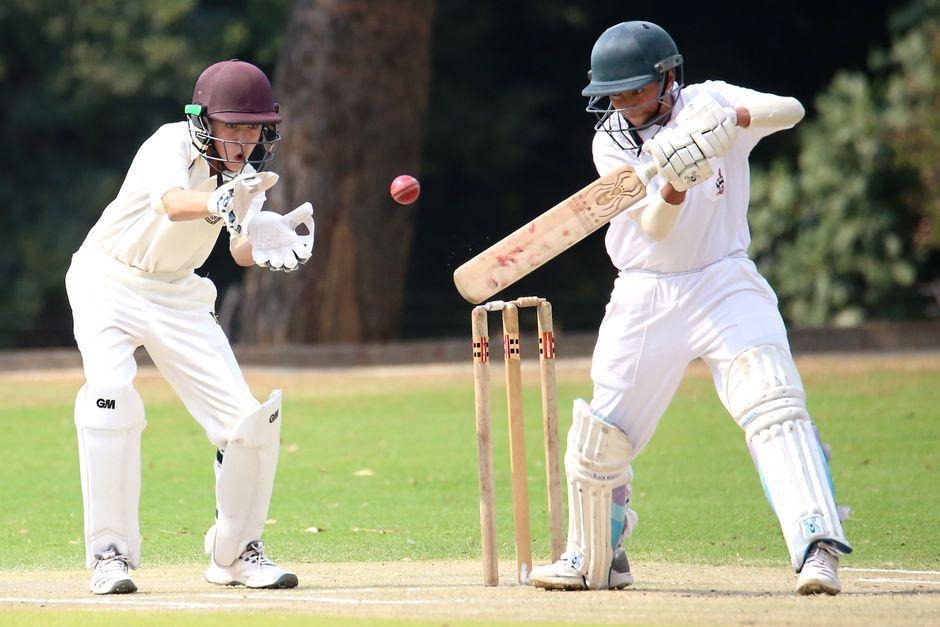
Cricket grounds vary considerably in physical dimensions, and the boundary rope marking where a hit counts as a six rather than requiring a run gets positioned at genuinely different distances from the pitch across different venues, a variation that meaningfully affects how frequently sixes get scored at a given ground independent of actual batting quality, creating a venue-specific factor worth understanding when comparing statistics across different grounds.
This piece covers how boundary distances actually vary between venues, why shorter boundaries don’t automatically mean easier cricket overall, and how this factor gets weighed in venue-specific match analysis.
How Boundary Distances Actually Vary Between Venues
Playing regulations specify minimum boundary distances rather than a single fixed universal distance, meaning grounds can and do vary considerably within permitted regulatory ranges, some venues featuring noticeably shorter boundaries on one or more sides compared to others, often due to genuine physical ground constraints, an oval shape naturally producing different boundary distances depending on which specific direction gets measured from the central pitch. Statistical analysis around something like tamasha live cricket india venue-specific six-hitting data needs to account for these physical dimension differences rather than treating six-hitting frequency as purely reflecting batting quality independent of the specific ground’s actual physical dimensions.
Why Shorter Boundaries Don’t Automatically Mean Easier Cricket Overall
While shorter boundaries genuinely make six-hitting statistically easier to achieve for a given quality of shot, this doesn’t necessarily translate into an overall easier batting environment, since other ground-specific factors, pitch behavior, typical weather conditions, outfield speed affecting standard boundary-four scoring, all factor into overall run-scoring difficulty independent of the specific six-hitting boundary distance alone. A ground with shorter boundaries but a genuinely difficult, bowler-friendly pitch surface might still represent a challenging overall batting environment despite the easier six-hitting statistics that shorter boundary distance specifically produces.
How This Factor Gets Weighed in Venue-Specific Analysis
Experienced analysts specifically account for known boundary dimensions when interpreting six-hitting statistics at a particular venue, recognizing that raw six-count comparisons between different grounds require this dimensional context to interpret meaningfully, a batsman hitting numerous sixes at a venue known for shorter boundaries represents a genuinely different statistical accomplishment than an equivalent six-count at a venue with considerably longer boundary distances, even though both would appear identical in a simple raw statistical count without this additional venue-specific context.
Why Boundary Dimensions Sometimes Factor Into Team Selection
Teams sometimes specifically consider known boundary dimensions at an upcoming venue when finalizing team selection, favoring power-hitting specialists more heavily for matches at grounds known for shorter boundaries where that specific skill set carries particularly amplified statistical value compared to selection decisions for matches at venues with considerably longer boundary distances where other batting qualities might carry relatively more tactical importance instead.
Frequently Asked Questions
Why do boundary distances vary between different cricket grounds?
Playing regulations specify minimum distances rather than one universal fixed distance, and genuine physical ground constraints, like oval shapes, naturally produce different boundary distances depending on direction from the pitch.
Do shorter boundaries automatically make batting easier overall at a specific venue?
Not necessarily, other factors like pitch behavior and outfield speed also significantly affect overall run-scoring difficulty independent of the specific six-hitting boundary distance alone.
Why do analysts specifically account for boundary dimensions when comparing six-hitting statistics?
Raw six-count comparisons between grounds require this context, since an identical six-count represents a genuinely different statistical accomplishment depending on that venue’s actual specific boundary distances.
Does boundary dimension knowledge ever influence team selection decisions?
Yes, teams sometimes favor power-hitting specialists more heavily for matches at venues known for shorter boundaries where that specific skill carries particularly amplified statistical value.
Conclusion
Boundary rope placement varies meaningfully across cricket venues due to genuine physical ground constraints, creating a venue-specific factor that requires careful contextual consideration when interpreting six-hitting statistics or making venue-specific team selection decisions. Recognizing this dimensional variation clarifies why raw six-count comparisons between different grounds can mislead without accounting for each specific venue’s actual boundary distances.